
President's Messages
SEPTEMBER 2025 - MESSAGE FROM THE PRESIDENT
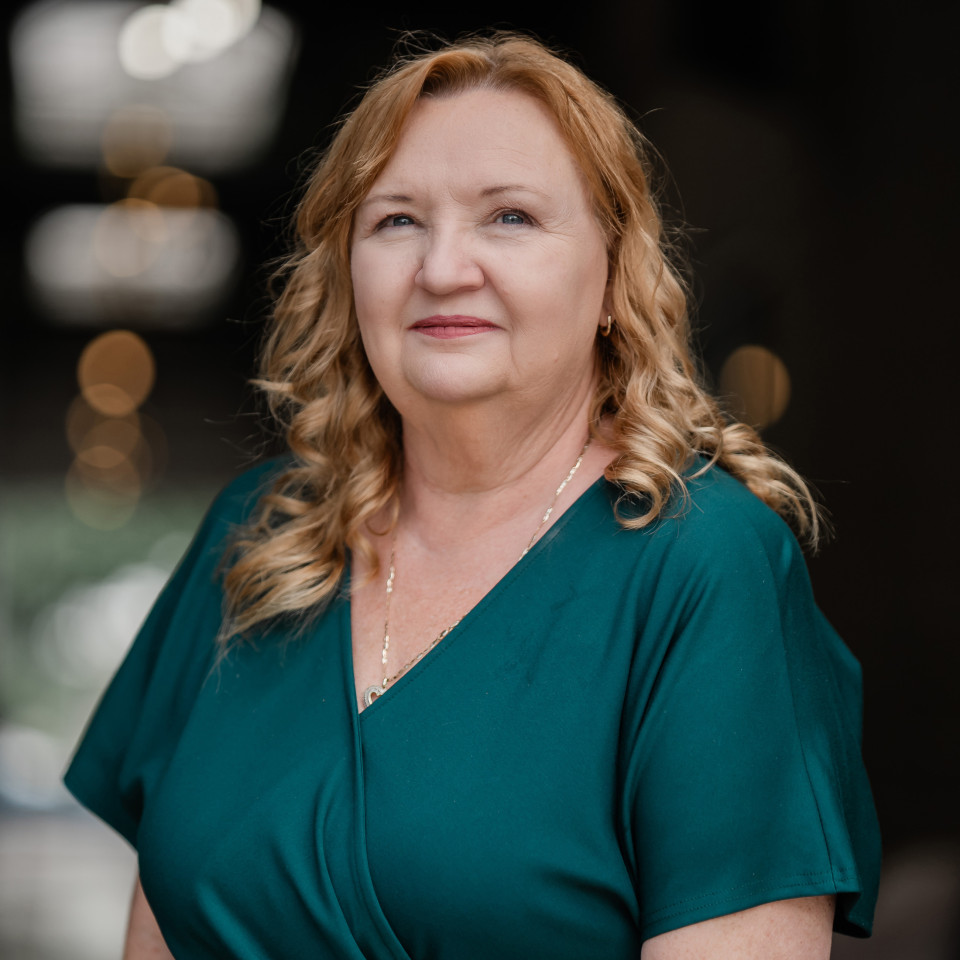
Dear ASCM Houston Members and Friends,
Since my career change in the last year, my day job now is teaching business and supply chain at a local community college. Many of my classes serve as requirements or accepted electives for related fields of study, which means I get to work with students who may not have originally seen themselves in supply chain. For them, it is often a “peek behind the curtain” into the inner workings that bring projects to life. For me, it is exciting because it challenges my own thinking and pushes me to explore new industries and applications I might not have considered before.
Recently, one of those areas has been game design and development. As I conducted research and interviews, I discovered that supply chain and operations knowledge plays an important role in the gaming world, beyond the usual answers of efficiency and effectiveness.
What Does Operations Management Mean for a Video Game Designer?
Operations Management is about making sure the process of creating and delivering a product runs smoothly, efficiently, and on time. For a video game designer, it is like being the mission planner behind the scenes, not just making the game fun, but making sure all the steps to build and launch it are well organized.
Imagine You’re Designing a Game... and How It Matches a Manufacturing Site
● Artists creating characters and worlds → Engineers designing products and processes
● Programmers writing code → Operators running production lines
● Writers building the storyline → Planners scheduling materials and labor
● Testers checking for bugs → Quality teams checking for defects
● Marketers preparing to launch → Sales and distribution teams delivering to customers
Operations Management makes sure that whether you are building a video game or producing goods in a factory, everyone knows what to do and when to do it, the right tools and resources are ready, and no one is left waiting on others to finish their part. In a game studio this might mean artists, programmers, writers, testers, and marketers working in sync, while in a manufacturing site it could be engineers, operators, planners, quality teams, and sales or distribution staff staying aligned. In both settings, Operations Management helps keep deadlines on track without last-minute rushes and ensures that the final product, whether a new game or a physical product, is delivered on time and works as expected for the customer.
In simple terms, for video game designers Operations Management is like managing a large, complex group project, making sure all the moving pieces come together, solving problems before they cause delays, and keeping the team on track and on budget. If your job is to design levels for the game but the artwork is not finished yet, operations help create a plan so your work does not stall. This might mean shifting resources, adjusting schedules, or using placeholders so the entire team keeps moving forward.
Sharing these kinds of connections reminds me how universal supply chain and operations truly are. Whether it is moving barrels of lubricants, planning global logistics, or coordinating a game development team, the same principles apply: communication, planning, resource alignment, and delivery. That is why I love being part of this profession and why I am grateful for our ASCM Houston community, where we get to see and share these connections across industries.
I encourage you to look at your own work or industry and ask, where do I see operations and supply chain at work behind the scenes? Share your thoughts with us at our next ASCM Houston event or connect with me directly—we learn the most when we share across industries.
________________________________________
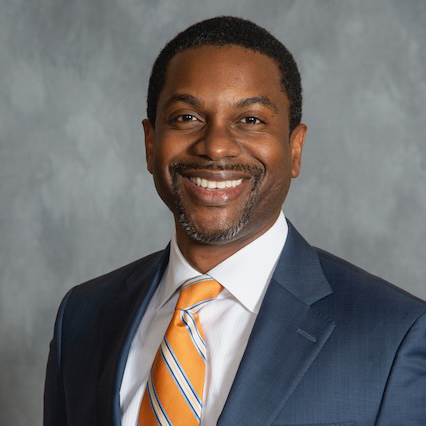
Board Member Spotlight:
Speaking of our next generation of supply chain leaders, this month, I am proud to introduce our new VP of Student Activities, Derek Aranda. I first met Derek when we worked together at a global petrochemical company, and I quickly came to admire his ability to see supply chains as more than processes—they are systems that connect people, technology, and strategy. Derek is a global supply chain leader with extensive experience across Finance, Sales, Strategy, and Supply Chain, giving him a truly well-rounded perspective on how businesses deliver value.
With a foundation in Biology that fuels his systems-thinking approach, Derek tackles challenges holistically and builds solutions that improve both resilience and customer outcomes. He has led international teams, partnered with senior executives, and delivered initiatives that strengthen growth, competitiveness, and operational excellence. Known as a motivating leader, Derek unites people and technology to create supply chains that are more visible, resilient, and cost-effective.
In addition to his professional accomplishments, Derek leverages his customer focus and What-if analysis to our chapter. Derek gives back to the supply chain community as the Vice President of Student Activities for ASCM Houston, where he supports the next generation of supply chain professionals.
Derek says, “Supply chain is a broad discipline offering a lot of career opportunities. And with technology poised to revolutionize the field alongside a shifting global landscape, it is a really exciting time to be in this field. I am thrilled to join the Houston ASCM board to help supply chain students and young professionals capitalize on opportunities and excel in their career. I’d love to hear from our members on how we can best do that so please share your ideas with me at [email protected]"
---
Warm regards,
Tammy Giesler-Hagans
President, ASCM Houston Chapter
 ASCM is an unbiased partner, connecting companies around the world with industry experts, frameworks and global standards to transform supply chains.